
Technique · Step-by-step · 5 MIN READ
Crispy wings, one step at a time
A practical oven-wing workflow: dry the skin, leave room for airflow, check the temperature, then glaze.
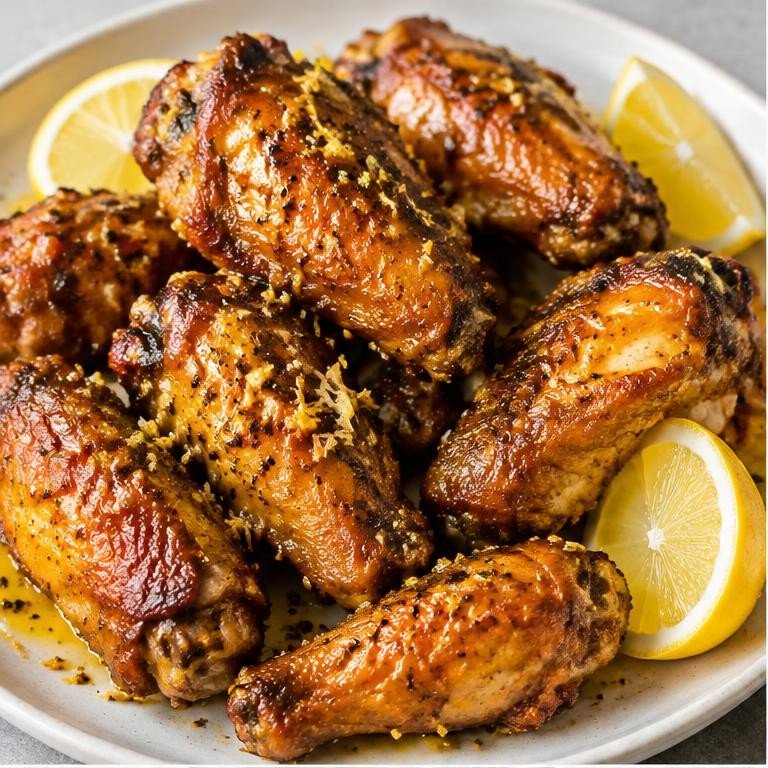
Two goals, two different checks
Crisp skin and safely cooked chicken are not the same thing. A golden surface does not prove the center is cooked, and a safe internal temperature does not guarantee crisp skin. Handle those goals separately: moisture and airflow for the surface, a food thermometer for the center.
The oven-wing workflow
- 01
Dry and separate
Pat wings dry with paper towels and wash your hands after handling raw chicken. Do not rinse raw poultry. Follow your recipe’s measured seasoning and baking-powder amounts; baking soda is not a substitute.
- 02
Create room for hot air
Space wings on an oven-safe rack set over a rimmed baking sheet. Check the rack’s heat rating. If the wings touch or overlap, use a second tray rather than crowding the first.
- 03
Roast, turn, and measure
Use the temperature and timing in your recipe, turning as directed. Check several wings in the thickest meat without touching bone. All poultry must reach at least 165°F (74°C); a timer is a reminder to check, not proof of doneness.
- 04
Glaze with clean utensils
Keep a separate clean portion of hot honey for serving. Toss cooked wings just before eating so the glaze does not sit on the skin for long. Never reuse a bowl or brush that touched raw chicken without cleaning it.
When the wings don’t cooperate
| What happened | Likely cause | Next time |
|---|---|---|
| Pale, soft skin | Surface moisture or crowded trays | Dry thoroughly next time and increase spacing. |
| Honey scorches | Glaze spends too long in high heat | Cook the wings first; glaze at serving. |
| Outside looks done | Color develops before the center is safe | Check multiple pieces with a thermometer. |
Sources & editorial notes
Safety guidance is attributed to the sources above. Flavor and technique suggestions are general editorial guidance, not claims of hands-on testing or professional review. No author credentials or personal testing history are claimed.
Read our editorial approach →